
Kyoto and Tokyo Highlights: The Perfect Start and End to Our Japan Trip

Updated: Dec 28, 2025
This is my last post about our 7‑week adventure in India and Japan. For this one, I’ve combined our visits to Kyoto and Tokyo. That’s not meant to downplay how amazing these two cities are—far from it. Teresa and I have visited both before, and I’ve written about them on the blog, so some of what we saw this time was a repeat (there are certain things in Kyoto you just have to do every time you visit!). You can read my previous post on Kyoto and Tokyo here, and my general post on our 2020 visit to Japan here.
Our 2025 Japan trip started in Kyoto and ended in Tokyo. In many ways, those two cities are the perfect bookends for any trip to Japan. Kyoto is my favourite city in the country: it’s beautiful, manageable, and home to many of our favourite places. This time, we mixed a few “must‑do” classics with some discoveries.
As with my other posts on this trip, you’ll find links to the other articles at the end, along with links and ratings for the services we used. Here goes.
Getting to Kyoto and First Impressions
We flew from New Delhi to Osaka at the end of our two weeks in India—a nine‑hour flight (yikes). From the airport, we took the bullet train to Kyoto and then the subway to our Airbnb. Depending on the train, the bullet train ride is only about 15–30 minutes, which still amazes me. As an editorial aside, the complete network of high‑speed trains in Japan really puts Canada to shame, given we’re still dreaming about a small Ottawa–Montreal line that’s at least a decade away.
Interesting fact: since the Shinkansen network started in 1964, there have been no passenger fatalities due to train accidents. Canada should probably be calling Japan if we ever seriously build a high‑speed rail system.
We checked into our VRBO and went out for dinner. That first walk gave us one of the funnier culture‑shock moments of the trip. If you’ve read my India posts, you’ll remember how chaotic the traffic was there—you feel like you’re taking your life in your hands every time you cross the street. Stop signs, red lights, crosswalks… they’re more “suggestions” than rules. In Kyoto, on our first night, we came to a tiny side street. The light was red, there were no cars anywhere, and none were likely to appear. Yet every Japanese pedestrian was calmly waiting for the light and walk signal to turn green, with no thought of jaywalking. What a change.
Chasing Cherry Blossoms and Solo Kyoto Days
My number‑one tip for Kyoto is to use Inside Kyoto. There are plenty of Japan resources out there, but for Kyoto specifically, this is the one site I always tell friends to use. You could easily plan your entire Kyoto trip from it.
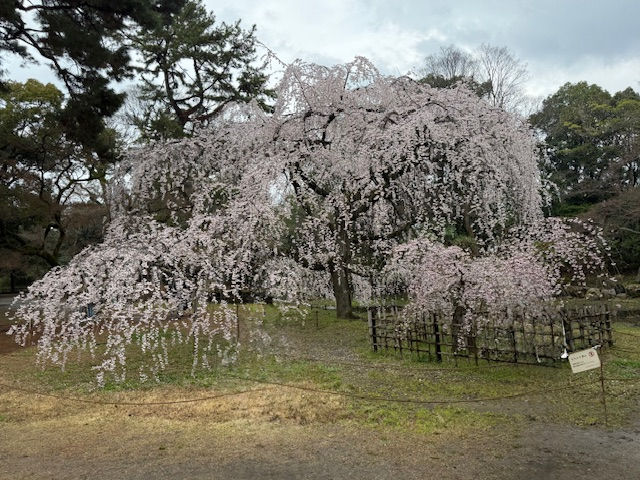
Teresa spent the first four days in her Ikebana class, so I was on my own. We had the unique experience of being in Kyoto during the Sakura (cherry blossom) season, so I dedicated my first day to cherry blossoms. “Chasing” is a bit dramatic—the blossoms are everywhere.
I followed a one‑day, off‑the‑beaten‑path itinerary from Inside Kyoto and set off. My first stop was Shinyo‑do Temple, a beautiful temple with free access to the grounds. There were lots of cherry blossoms (you’ll hear that a lot), and it was a perfect way to start the day. Next was Yoshida‑yama—definitely off the beaten path and wonderfully quiet. From there, I walked to Demachiyanagi Station for lunch, then finished at the Imperial Palace. The palace itself is not exactly hidden, but the grounds are huge, and the variety of cherry trees is incredible, so it was worth the crowds (which actually weren’t that bad).


That night, Teresa and I had dinner with one of her Ikebana friends and her husband at Kikkoya, one of our favourite restaurants in Kyoto. It’s an obanzai restaurant, which means about half the ingredients traditionally come from the Kyoto area, and there’s a strong focus on local, seasonal produce and reduced waste. The long story short: the food is delicious, and the whole experience is warm and memorable.
Hiking, Temples, and Philosophers’ Path
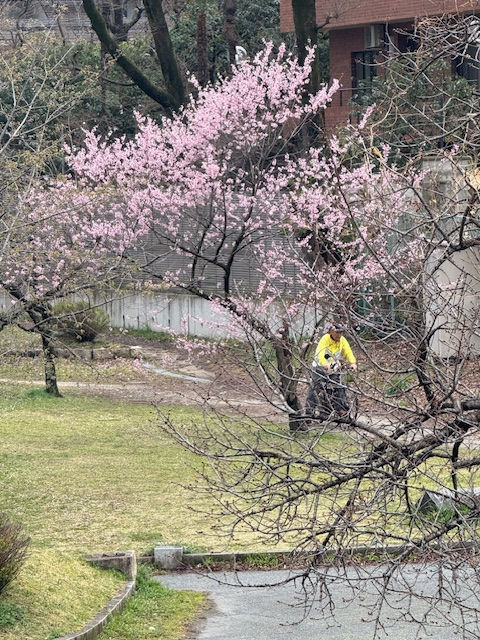
The next day, while Teresa was still in class, I headed out for another hike: Mount Daimonji Ginkaku‑ji. It’s a fantastic 2.5‑hour out‑and‑back hike with a sweeping view of Kyoto at the top. A bonus is that the trailhead is just beside Ginkaku‑ji, the Silver Temple, which makes a very logical combo day. Teresa and I had visited Ginkaku‑ji before, and it felt like a place we’d want to revisit together, so I skipped it this time.

There are a few other things worth doing in that area:
Tourist shopping – The approach to Ginkaku‑ji has a couple of blocks of classic tourist shops. I’m not usually big on “tourist junk,” but this strip is actually fun. We often bring back tea towels and socks—small, unique, practical, and easy to pack.
Ice cream – After my hike, I treated myself to matcha ice cream (they also had sakura ice cream in season). Both are perfect post‑hike treats.
Upscale shopping – Just before you enter the touristy stretch, there are some more upscale shops. We bought Lauren a beautiful handmade/painted purse in a store just at the start of the Philosopher's Path. We also found a wonderful store, again near the start of the path, that sold Kokeshi dolls, which we got for two of our grandchildren.
Philosophers’ Path – We’ve walked this path on every visit to Kyoto, and it remains one of the most peaceful areas in the city—when it’s not peak blossom time. During Sakura, it’s also one of the most spectacular places to see cherry blossoms. The canal is lined with cherry trees, and it’s almost impossible to walk more than a few steps without stopping for another photo. There are also lots of small, interesting shops along the way, ranging from pricey to very affordable.


We wrapped up that day with dinner at Katsukura Sanjo. It’s always busy, but very efficient, so the line moves quickly. They’re famous for pork katsu (tonkatsu): breaded, deep‑fried pork cutlet served with shredded cabbage, rice, and a selection of sauces. It’s still a very Japanese dish, but it feels a bit closer to Western comfort food if you’re craving a change.
Fushimi Inari and Tiny Restaurants
My last solo day in Kyoto was for the Fushimi Inari hike. Fushimi Inari is a major Shinto shrine famous for its endless tunnels of bright red gates, its food stalls, and the fact that it’s open 24/7. It’s absolutely not off the beaten path; this place is always packed. On a previous visit in early March, it was freezing with snow on the ground and still full of people.
Here’s a tip: most crowds stay near the bottom, taking photos of the first sets of gates. If you keep climbing and follow the full loop, the crowds thin out quickly. The hike is a decent workout, and many visitors don’t want to go that far. The reward is quieter paths, better views, and those iconic gate photos with far fewer people—especially if you’re willing to do a little photo cleanup on your phone.

That evening, we went to Renkonya, another small Kyoto favourite. Even with the address, it’s hard to find. Don’t give up—it’s worth the effort. The restaurant is tiny, with maybe 10 seats total, run by a mother–daughter team who cook everything on two small hot plates. Each dish is made to order, beautifully presented, and absolutely delicious.
7‑Eleven, Moss Gardens, and the Imperial Villa
A quick tip for Japan: 7‑Eleven is nothing like 7‑Eleven in North America. Here, they have surprisingly good take‑out food, snacks, and drinks (yes, including beer). Their ATMs accept Canadian debit cards, and it’s often where you pick up pre‑booked tickets for events. More than once in Kyoto, I grabbed a bento and a single beer and had lunch overlooking the river.
Once Teresa finished her Ikebana course, we shifted back into “explore together” mode and visited a couple of places that were new to us. First up was Saiho‑ji, the Moss Garden temple. Even just browsing their website gives you a sense of how peaceful and spiritual the place is. The temple is nearly 1,300 years old and feels very special. You must have a reservation—people were being turned away at the gate without one.
After entering, the first thing you do is sit in the temple and copy sutras. Copying sutras is a traditional Buddhist devotional practice; before printing, it was how teachings were reproduced and shared. The act of slowly writing each character is incredibly calming and sets the tone for walking through the gardens. The temple and gardens date back to 731 and were restored as a Zen temple in 1339, and you can feel that long history as you walk. I’ve always said I’ll visit Kinkaku‑ji (the Golden Temple) every time I’m in Kyoto; now I think Saiho‑ji joins that short, very special list.


Next, we visited the Imperial Palace Villa. When you visit the main Imperial Palace in Kyoto, you can’t enter the buildings; you just walk the grounds, which is still worthwhile. The Villa (Katsura Imperial Villa) gives you a much better sense of how the interiors might look, with a beautiful blend of gardens and architecture. Again, you need a reservation, but it’s absolutely worth it.
Wall‑to‑Wall Sakura and Tenugui Art
Our next day in Kyoto was dedicated entirely to cherry blossoms. By this point, both of us had seen endless blossoms, but you genuinely can’t get tired of them. We followed the Romantic Cherry Blossom Itinerary from Inside Kyoto, a six‑hour plan—four hours by day and two by night. I won’t walk you through every stop; you can get the details from the link. I will say both the daytime and nighttime parts are fantastic and worth doing. The evening illuminations are especially magical.


During the break between the day and night portions, we visited the Hosotsuji Ihei Museum for an exhibit called Love Tenugui. A tenugui is a traditional, thin cotton Japanese cloth (about 14 x 35 inches) used for everything from drying hands and wrapping gifts to decorating walls or wearing as a headband. These days, you often see them framed or displayed as art. We have two at home and have brought them back as gifts. They’re beautiful, come in endless designs, can be a bit pricey, but fold flat and take almost no space—perfect souvenirs.
Golden Temples, Bamboo Groves, and Saying Goodbye to Kyoto
The next morning, we got an early start to catch the bus to Kinkaku‑ji, the Golden Temple. It opens at 9:00; we arrived around 8:30 and only waited a short time before they opened the gates, right on schedule (this is Japan). Kinkaku‑ji is my favourite religious site in the world. The Taj Mahal is close in terms of emotional impact, but they’re special in different ways. Kinkaku‑ji is absolutely breathtaking. If you only have time for one thing in Kyoto, this is it.
From there, we headed to the bamboo forests. The famous one is the Arashiyama Bamboo Grove. It’s stunning and absolutely worth seeing at least once, but it’s also very crowded. Following another Inside Kyoto suggestion, we also visited Adashino Nenbutsu‑ji Temple. The temple has over 8,000 unique stone grave markers and its own bamboo grove. It’s smaller than Arashiyama’s, but much quieter, and you really only need so many bamboo trees at once to feel that “wow” factor.


We walked from Adashino to Arashiyama via Saga Toriimoto Preserved Street, lined with traditional houses and small shops. It’s a lovely way to connect the two areas. Between the temples, bamboo groves, and preserved streets, it was the perfect way to wrap up our time in Kyoto. It remains my favourite city in the world to visit.

From there, our broader itinerary took us to the Kumano Kodo, but for this post, the next stop is Tokyo—the final chapter of our seven‑week adventure.
Tokyo: Big City, Big Highlights
We’d spent a few days in Tokyo on our first trip to Japan, but skipped it on our second visit. This time, we wanted some proper Tokyo time. We checked into our Airbnb and settled in. Tokyo is massive, and even after multiple trips, you’d never see it all, so I’ll stick to the highlights.
The founder of Inside Kyoto also runs Truly Tokyo, a fantastic planning resource for the city, with multi‑day itineraries that are very easy to follow. We used a mix of those and our own ideas.
Hiking Mt. Takao and Evening Light Shows
We did a great hike on Mt. Takao. It took about 1.5 hours to reach from Shibuya by transit, which is a nice reminder of how efficient Tokyo’s system is, and the hike itself was around 2.5 hours. The views from the top are spectacular; on clear days, you’re supposed to be able to see Mt. Fuji. I’m not entirely sure we did, but for the sake of the story, let’s say we did.
That evening, we went to the Tokyo Metropolitan Government Building for their huge projection light show. The night we visited, the show featured Godzilla, which was as entertaining as it sounds.

teamLabs Tokyo: Your Mileage May Vary
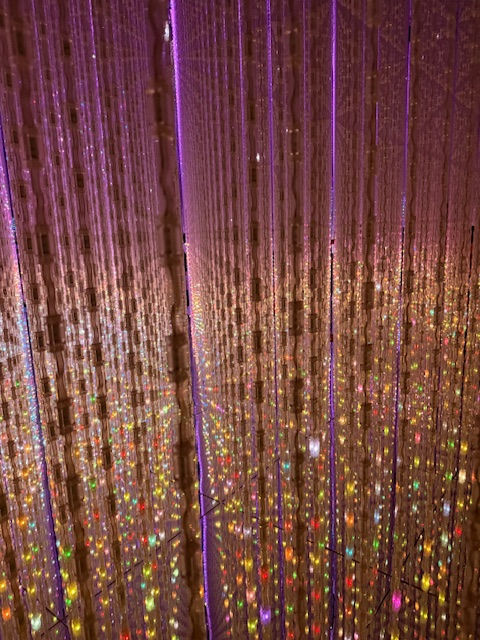
We also visited teamLabs Planets Tokyo. There are two teamLabs experiences in Tokyo; this was the water‑and‑light immersive one. As I mentioned in my Osaka post, I personally find teamLabs a bit overrated. It’s not bad, and the visuals are impressive, but for me, it’s not a must‑do. If you’ve got lots of time and like immersive digital art, go for it; otherwise, there are many other things in Tokyo and Osaka that I’d rank higher.

Baseball at Tokyo Dome
One major highlight was seeing a Yomiuri Giants game at the Tokyo Dome. The Giants are the iconic powerhouse team in Japanese baseball, often compared to the New York Yankees or LA Dodgers in terms of history and popularity. Like all Japanese teams, they’re named after their corporate owner, not the city—the Yomiuri Shimbun Group is a huge media conglomerate, so this would be like calling the Toronto Blue Jays the “Rogers Blue Jays.” (yuck!)

We’d already had one great baseball experience in Osaka, and Tokyo was that dialled up. The dome holds roughly 55,000 people for major events and was sold out the night we went. There are two official gift shops; one sells almost nothing but hats. The game started at 6:00 p.m., gates opened at 4:00 p.m., and there were already lineups at opening. We sat in the home section, ate great ballpark food, and enjoyed affordable draft beer poured right at our seats. The crowd is energetic, organized, and incredibly respectful.
Getting tickets for baseball in Japan is not easy; official sites can be hard to navigate. I used Chiketto, which is like a more reasonable, service‑oriented version of StubHub. You can request tickets before they go on sale, and they charge face value plus a sensible fee. Seeing two baseball games in Japan was a huge highlight of the trip. Even if you’re not a baseball fan, I’d say: if you’re in Japan during the season, go at least once.
Coffee Heaven: Starbucks Reserve Roastery Tokyo
Before one of our self‑guided walking days, we visited the Starbucks Reserve Roastery Tokyo. There are only a handful of these in the world, and Tokyo’s is a four‑storey coffee playground—coffee, tea, pastries, and lots of design‑eye candy. It’s a great place for breakfast if you’re nearby, though I wouldn’t cross the entire city just for it.
Sumo: A Very Japanese Experience
Our last big activity in Tokyo was sumo. Japan holds six Grand Sumo tournaments a year, three of them in Tokyo, each lasting 15 days. We were in Tokyo in April, so we missed the main Tokyo tournaments, but we were lucky: there was an exhibition event featuring top wrestlers while we were in town.

Like baseball, finding and buying sumo tickets is a bit of a maze. I used BuySumoTickets, which made the process much easier. Picking seats is also tricky: the closest areas require you to sit on the floor for 4–5 hours, which we wisely avoided. We chose the first row of regular seats, which offered a great view and a lot more comfort.
Pro tip: When you buy tickets, you can also pre‑order a bento box. Do it. You’re there for hours, you’ll want lunch, and the food truck lines outside are long. Eating in your seat while watching the matches is much more relaxing. One more cultural note: as at baseball games, you’re expected to take your garbage with you; there were no bins right outside the arena, so we brought our trash all the way back to our place—just like everyone else.
Sumo was both a sporting and cultural experience, and I’m really glad we went. I’m not sure we’d go again, but it was absolutely worth doing once.
Heading Home
The next day, we flew home, wrapping up an incredible seven weeks—two in India and five in Japan. Teresa and I often say we’re very fortunate to have had all the experiences we’ve had, and this trip is a perfect example of that.
If you have any questions or comments, you can reach me at thethirdperiod.ca@gmail.com.
Here are links to related posts from our travels:
Japan 2020
India and Japan - 2025
Services We Used in Kyoto and Tokyo
Accommodations
VRBO – Kyoto – ★★★★★Larger than most apartments in Japan, in a beautiful area of Kyoto. Walkable to the city centre, restaurants, and shopping. The owner lived one floor up and was very responsive. Great place to stay.
Airbnb – Tokyo – ★★★☆☆Clean, well‑maintained, and in a decent location, but older and in need of updating. It didn’t ruin our Tokyo stay, but it was our least favourite accommodation of the trip.
Restaurants
Kikkoya – Kyoto – ★★★★★Our second visit and we loved it again. Obanzai style: local ingredients, sustainability, traditional flavours. On our first visit, the owner seemed a bit aloof; this time, he was warm and even posed for a photo with us when he heard we were repeat visitors from Canada.
Katsukura Sanjo – Kyoto – ★★★★☆Specializes in pork katsu (tonkatsu). Juicy pork, super‑crispy coating, and great sides. It’s busy and a bit touristy, but still well worth a visit, especially if you’re craving something slightly more “Western”.
Renkonya – Kyoto – ★★★★★Tiny, mother‑and‑daughter‑run spot with only a handful of seats. The food is creative, delicate, and beautifully prepared. One of those places that feels like a hidden gem.
Starbucks Reserve Roastery Tokyo – Tokyo – ★★★★☆One of only a few in the world. Great for breakfast or a mid‑day break if you’re nearby.
Other Stuff
7‑Eleven – all over Japan – ★★★★☆Nothing like convenience stores in North America, these stores have great take‑out food, snacks and drinks (including beer). Their ATMs accept Canadian debit cards, and they’re the place you pick up tickets for events. Definitely a place to check out. There are also Family Marts and Lawsons, which are similar, but 7‑Eleven is my favourite.
Inside Kyoto – ★★★★★In my view, this is the best travel blog for visiting Kyoto. It has everything—you can plan your whole trip from this one site.
Imperial Palace – Kyoto – ★★★★☆Beautiful gardens, a huge site and an amazing set of buildings. Definitely worth visiting. During cherry blossom season, it’s one of the top spots to see cherry trees.
Mount Daimonji Ginkaku‑ji – Kyoto – ★★★★★A great hike that you can easily combine with a visit to Ginkaku‑ji (Silver Temple), Philosophers’ Path and shopping in the surrounding area.
Ginkaku‑ji – Kyoto – ★★★★☆The Silver Temple—not quite as spectacular as Kinkaku‑ji (Golden Temple), but beautiful in its own right and definitely worth visiting.
Philosophers' Path – Kyoto – ★★★★☆One of the most peaceful and beautiful walks in Kyoto. Slightly less peaceful (busier) during Sakura season, but even more beautiful. Easy to do while visiting Ginkaku‑ji.
Fushimi Inari Hike – Kyoto – ★★★★☆Very busy at the beginning when you enter the site, but stick with it. As you climb up, most tourists give up, and you’re rewarded with great views and fewer crowds.
Fushimi Inari – Kyoto – ★★★★★Always packed with people, but there’s a reason why—it’s an amazing place and a must‑see site. One suggestion: take a guided tour for at least part of your visit. The site is so huge, with so many layers, that it’s easy to wander around without really knowing what you’re looking at.
Saihoji (Moss Garden) – Kyoto – ★★★★★Visiting here was a tip from Teresa’s sister, Maureen. It was such an amazing experience that I think we’ll want to make this a permanent stop every time we’re in Kyoto. It’s not just that the gardens are beautiful and peaceful (they are); walking here feels about as close to meditation as I’m likely to get. You must have a reservation, so make sure you organize that early.
Imperial Palace Villa (Katsura) – Kyoto – ★★★★★Another place where you need a reservation. This is a great combination of beautiful gardens and fascinating buildings. If I could only do one, I’d pick the Moss Garden, but try to make time for both.
Kinkaku‑ji (Golden Temple) – Kyoto – ★★★★★+++My absolute favourite location in Kyoto and my favourite religious site anywhere in the world. Not to be missed. If you have time for only one thing in Kyoto, this is it. Get there early, stay a while, soak everything in. Take tons of photos from every angle—it’s amazing!
Arashiyama Bamboo Grove – Kyoto – ★★★★☆This is the bamboo grove in Kyoto and has the crowds to prove it. It’s amazing, and if you haven’t seen it before, you should absolutely go. Once you’ve done it, though, it’s worth checking out other bamboo groves that don’t have the same crush of people.
Adashino Nenbutsuji Temple – Kyoto – ★★★★★Not as big or famous as Arashiyama, but still very impressive—you’ll still see plenty of massive bamboo—and it’s a lot less crowded. As a bonus, you get to wander the temple grounds for free, which is unique.
Saga Torimoto Preserved Street – Kyoto – ★★★☆☆Probably not worth making a special trip just to see this, but if you’re visiting Adashino or Arashiyama (or both), it’s close by and worth the walk to see traditional Japanese houses and buildings.
Truly Tokyo – ★★★★☆An affiliated site to Inside Kyoto that gives you a great starting point for planning your trip to Tokyo, with solid itineraries and neighbourhood guides.
Mt. Takao – Tokyo – ★★★★★About 1.5 hours by transit from Shibuya, so you get to experience how efficient Tokyo’s system is. The 2.5‑hour hike is amazing and offers (limited) views of Mt. Fuji, but all the viewpoints are fantastic.
TeamLabs Tokyo (Planets) – Tokyo – ★★★☆☆As I’ve mentioned a few times, I find teamLabs overrated. We saw it in both Osaka and Tokyo, and I’d say both were… fine. It may just be me, though, so if you read about it and it sounds exciting, go for it.
Yomiuri Giants at Tokyo Dome – Tokyo – ★★★★★It’s always great when you finally experience something you’ve been looking forward to and it exceeds expectations. That was baseball for me in Japan. So much fun—from sitting in the home section to the coordinated cheering and super‑respectful crowd. The food is great, draft beer is served in the stands, it’s affordable, and everyone picks up their garbage when they leave. The gift shops are excellent, and the game itself was a blast.
Chiketto – ★★★★★A very helpful ticket agency for baseball (and other events). If tickets haven’t gone on sale yet, you can tell them what you want, pay, and they’ll do their best to fulfill your request; if they get something different or cheaper, they refund the difference. If tickets are already on sale, they have their own inventory. Great customer service and reasonable fees.
Sumo Wrestling – Tokyo – ★★★★☆Another activity I’d always wanted to try that I can now cross off my list. Not as exciting as baseball and probably not something we’ll do again, but I’m totally glad we went. It’s both an athletic and cultural event and a uniquely Japanese experience.
BuySumoTickets - ★★★★★ - In my opinion, the best site to figure out which matches might be available in the cities you’re visiting and then actually buy the tickets once you decide.


Comments